

Dental Products Guide: What Every Malaysian Clinic Should Know
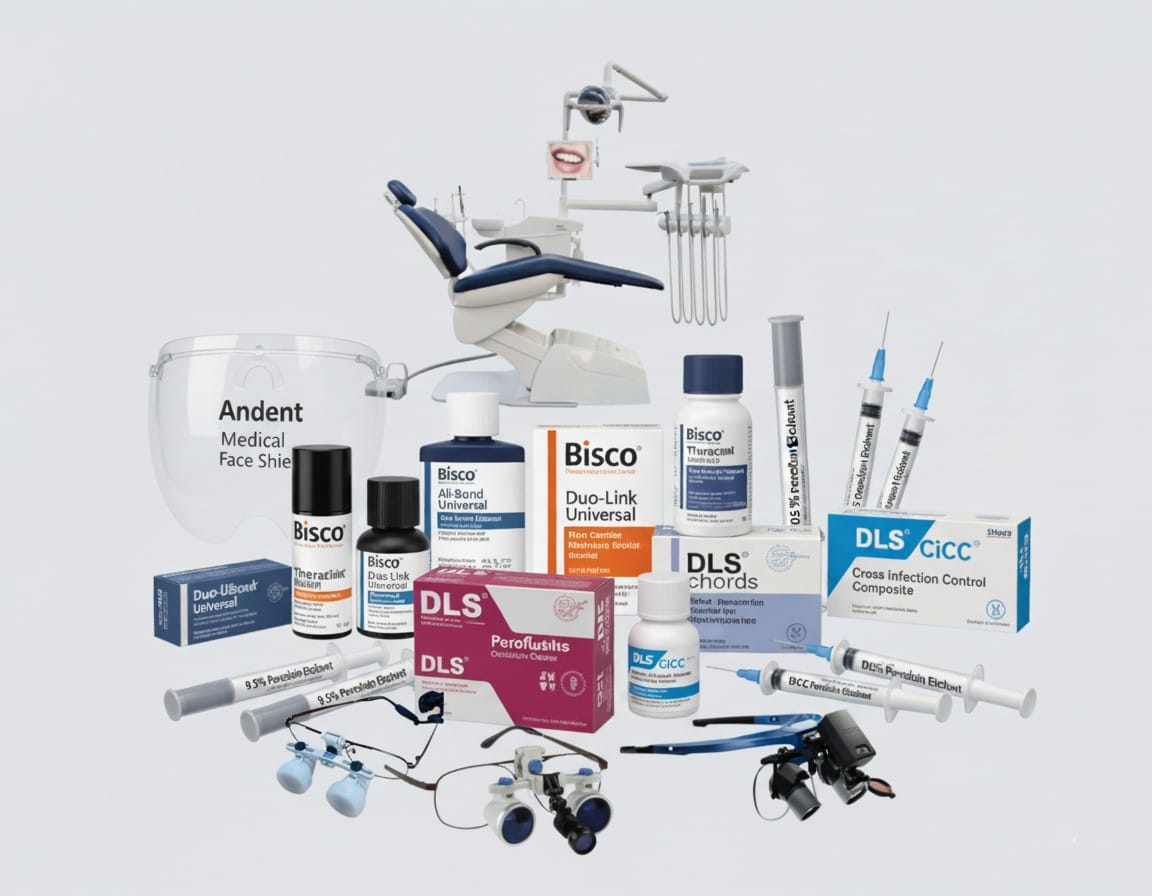
Choosing the right dental products can improve treatment accuracy, patient comfort, clinic workflow, and dentist ergonomics. This guide explains the key dental equipment and instruments Malaysian clinics should consider when upgrading or setting up a practice.
Quick Answer
The most important dental products to invest in are magnification tools such as dental loupes or microscopes, quality handpieces, a reliable curing light, and proper sterilisation equipment such as a Class B autoclave and ultrasonic cleaner. Choose based on clinical purpose, product quality, local support, and safety certification.
Dental Microscopes
Dental Chairs
Handpieces
Curing Lights
Autoclaves
Ultrasonic Cleaners
Torque Wrenches
1. Essential Diagnostic Dental Products
Diagnostic instruments are used every day in almost every dental procedure. Even though they are basic tools, quality makes a big difference in visibility, comfort, and accuracy.
Mouth Mirrors
Mouth mirrors help dentists see indirect areas, reflect light, and retract soft tissue. Front-surface mirrors are preferred because they reduce double images and provide a clearer view.
Periodontal Probes
Periodontal probes are used to measure pocket depth and support gum health assessment. A clear scale and consistent probing technique help improve accuracy.
Explorers
Explorers help dentists check caries, restoration margins, overhangs, and surface irregularities. They should be used with light pressure to avoid damaging early lesions.
2. Magnification: Dental Loupes vs Dental Microscopes
Magnification is one of the highest-impact upgrades for a dental clinic. It improves visibility, posture, precision, and long-term working comfort.
Dental Loupes
Dental loupes are suitable for daily clinical use. They are lightweight, portable, and help dentists maintain better posture. Important factors include working distance, declination angle, frame comfort, and lighting options.
For most general dentists, 2.5× to 3.5× magnification is suitable. Higher magnification may be useful for endodontics, restorative work, and precision procedures.
Dental Microscopes
Dental microscopes provide higher magnification and strong coaxial lighting. They are especially useful for endodontics, microsurgery, and detailed restorative work.
Featured
Zumax OMS Dental Microscope Series
The Zumax OMS series offers clear optics, continuous zoom magnification, ergonomic controls, and camera integration for documentation and patient education.
| Factor | Dental Loupes | Dental Microscope |
|---|---|---|
| Typical magnification | 2.5× – 4.5× | 3× – 25× |
| Best for | General and restorative dentistry | Endodontics and microsurgery |
| Portability | High | Fixed or mobile stand |
| Lighting | Usually with headlight | Coaxial, shadow-free lighting |
| Investment | Lower | Higher |
Need help choosing dental loupes or a microscope?
Speak with EDI Dental for advice on magnification, working distance, and clinic setup.
3. Rotary and Cutting Dental Products
Rotary instruments help dentists cut, shape, polish, and prepare teeth efficiently. Choosing the right handpiece and burs can improve comfort and treatment speed.
Handpieces
High-speed handpieces are commonly used for enamel cutting and tooth preparation. Low-speed and electric handpieces are useful for polishing, dentin work, and procedures that require stable torque.
Dental Burs
| Bur Type | Strength | Best Used For |
|---|---|---|
| Carbide burs | Efficient cutting and smoother finish | Cavity preparation, crown removal, debonding |
| Diamond burs | Good for hard materials and different grit levels | Enamel, ceramic cutting, finishing, polishing |
4. Curing and Adhesive Dentistry Products
A reliable curing light is important for strong and long-lasting composite restorations. Poor curing can lead to weak bonding, sensitivity, or restoration failure.
Light-Curing Units
Choose curing lights with verified irradiance, consistent beam output, and suitable curing modes. Multi-wavelength curing lights are useful because they support a wider range of dental materials.
5. Sterilisation and Infection Control
Sterilisation equipment protects patients, dentists, and staff. It also helps clinics maintain proper infection control standards.
Class B Autoclaves
Class B autoclaves are suitable for wrapped and hollow instruments. Choose a unit with the right chamber size, reliable cycle performance, and local service support.
Always use distilled or RO water to reduce mineral buildup and protect the steriliser.
Ultrasonic Cleaners
Ultrasonic cleaners help remove debris before sterilisation. Follow the manufacturer’s guidance for cleaning solution, temperature, and cycle time.
6. Dental Chairs and Clinic Ergonomics
A good dental chair improves patient comfort and helps dentists work with better access and posture. Look for smooth movement, adjustable headrests, reliable foot control, and compatibility with your clinic layout.
Featured
Sinol S2318 / S2322 Dental Units
Sinol dental units offer ergonomic design, anti-corrosion components, and a purified-water system. They are supplied and serviced by EDI Dental in Malaysia.
7. Implant and Surgical Accessories
Torque Wrenches
Torque wrenches are used to apply accurate force when securing implant components. Regular calibration is important because sterilisation cycles can affect torque accuracy over time.
How to Choose Quality Dental Products
- Clinical purpose: Choose based on the procedures your clinic performs most often.
- Optics and lighting: For loupes and microscopes, prioritise clarity, comfort, and proper illumination.
- Performance: Check curing output, handpiece balance, and autoclave cycle reliability.
- Maintenance: Make sure spare parts, warranty, and local service are available.
- Certification: Look for CE, ISO, or equivalent safety documentation.
For more details, read:
How to Choose High-Quality Dental Products.
Conclusion
The right dental products help dentists diagnose earlier, treat more accurately, and work more comfortably. Start with the essentials: magnification, quality handpieces, a reliable curing light, and proper sterilisation equipment. Then upgrade chairs, microscopes, and surgical accessories based on your clinic’s needs.
Frequently Asked Questions
Which dental products should I upgrade first?
Start with dental loupes or a microscope, a verified curing light, quality handpieces, and a Class B autoclave. These products usually give the biggest impact on precision, ergonomics, and workflow.
What loupe magnification is best for general dentistry?
For most general dentists, 2.5× to 3.5× is a good starting range. Higher magnification may be useful for endodontic or detailed restorative work.
Do I need both dental loupes and a microscope?
Not always. Loupes are useful for daily work, while microscopes are better for high-precision procedures. Many clinics start with loupes and add a microscope later.
How do I maintain curing light performance?
Clean the light tip regularly, check for scratches or resin buildup, and verify the output with a radiometer when possible.
What water should I use in an autoclave?
Use distilled or RO water. This helps reduce mineral deposits and protects the internal parts of the steriliser.
How often should sterilisation equipment be serviced?
Autoclaves should usually be serviced every 6 to 12 months, depending on usage and manufacturer recommendations. Ultrasonic cleaners should be cleaned and checked regularly.